
Featured Initiatives 2026
La Palabra Mayor: A once-in-a-generation documentation of Wiwa sacred law
The Sierra Nevada de Santa Marta — which the Wiwa call the Corazón de la Madre, the Heart of the Mother — is home to one of the world's most extraordinary living knowledge systems. It has never been written down.
The Wiwa Ley de Origen, rooted in Seynekun — the ancestral Mother/Father creative spirit — is the complete legal, ethical, and cosmological system governing the Wiwa people's relationship with the land, the sacred sites, and all life. For generations it has been held, transmitted, and protected exclusively through the oral Palabra Mayor: the living word of Mamos and Sagas, the spiritual guides and women elders of the Wiwa community.
As elder Mamos and Sagas pass, this knowledge is lost with them. The children who enter the national school system learn nothing of Seynekun or their own language, Dʉmʉna. The sacred sites face pressure from mining, climate change and armed conflics.
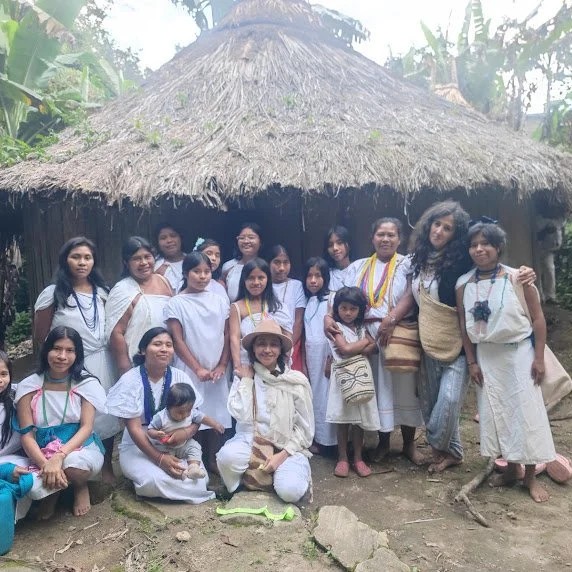
Bridgepath Foundation, in formal alliance with the Organización Wiwa Golkushe Tayrona (OWGT), is accompanying the Mamos and Sagas on a multi-year territorial journey to document the Ley de Origen — guided, validated, and owned entirely by the Wiwa community. The documented knowledge will form the foundational curriculum of Wiwa-controlled Escuelas Propias/Educacion Propia: sovereign schools in the Dʉmʉna language, rooted in Seynekun.
Phase 1 is complete. Seven sacred sites in La Magdalena visited, pagamento ceremonies performed, oral recordings made. $14,000 self-funded by Bridgepath Foundation.
Phase 2 begins June 2026 — 14 sacred sites in La Guajira. We are seeking $30,000 to make it possible.
In March 2026, the Colombian government declared 942,000 hectares of the Sierra Nevada a protected natural reserve — recognizing the four Indigenous people, Wiwa, Kogui, Arhuaco, and Kankuamo as its cultural and ecological guardians. This is the most urgent and historically supported moment to document the Ley de Origen, which has never been written by the Wiwa people.
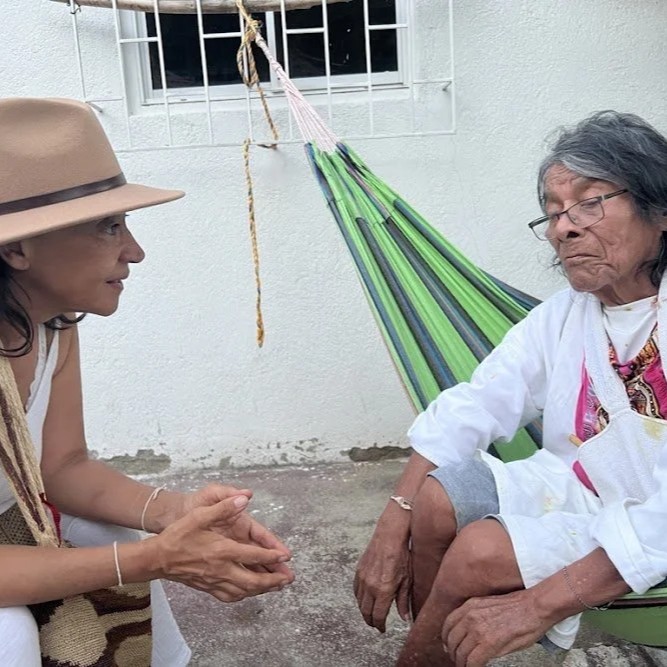
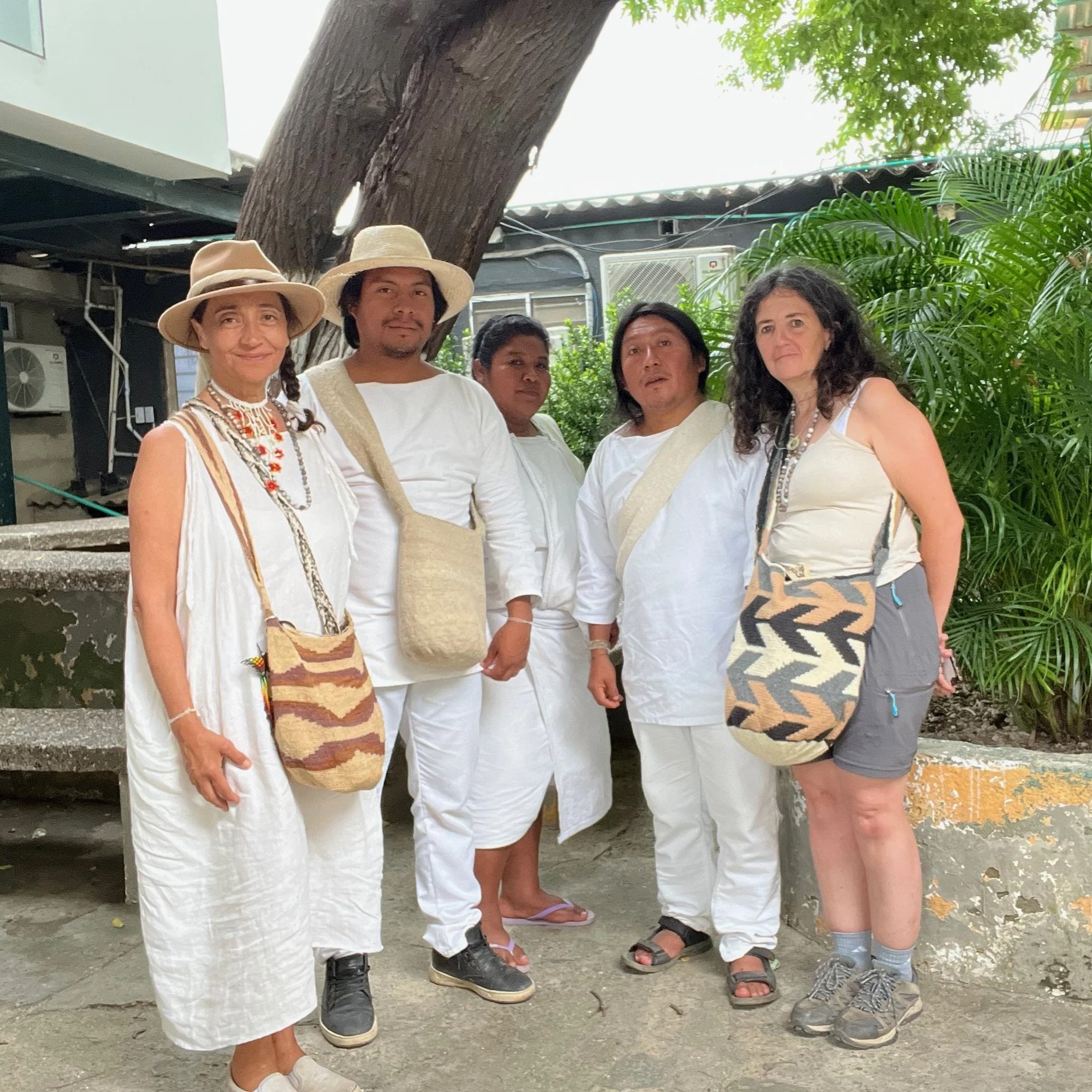
What UNESCO (United Nations Educational, Scientific and Cultural Organization) has to say about the Wiwa People
UNESCO views the Wiwa people of Colombia, alongside the Arhuaco, Kogi, and Kankuamo as crucial custodians of the Sierra Nevada de Santa Mata, recognizing their "Ancestral System of Knowledge" as Intangible Cultural Heritage essential for protecting the ecosystem and cultural identity, promoting their wisdom in balancing nature with modern needs against threats like climate change and mining.
Key UNESCO & Related Perspectives
· Cultural Recognition: UNESCO inscribed the collective ancestral knowledge of the four peoples, including the Wiwa, onto the Representative List of Intangible Cultural Heritage in 2022, acknowledging its vital role in environmental stewardship.
· Guardians of the "Heart of the World": The Wiwa and their sister communities are seen as spiritual and material guardians, whose traditional practices (like rituals, ceremonies, and understanding natural cycles) are vital for the health of the Sierra Nevada, the source of major rivers and biodiversity.
· Protecting Sacred Sites: Their wisdom, passed down through generations by elders (Mamos), involves caring for sacred sites and understanding the interconnectedness of nature, which is fundamental for planetary health, according to their philosophy.
· Call for Protection: UNESCO highlights these communities' efforts, supported by organizations like AIDA (Inter-American Association for Environmental Defense), to gain legal protection for their territories against mining and environmental damage, recognizing their "life plans" based on their worldview.
· Climate Change & Threats: The communities, including Wiwa representatives, actively warn the world about climate change impacts (like disappearing glaciers) and external pressures, emphasizing that environmental destruction affects all humanity, not just Indigenous peoples.
In essence, UNESCO's view is one of deep respect and support, seeing the Wiwa and their kin as holders of invaluable knowledge necessary for global ecological balance, facing significant threats that require international attention and protection.
Wiwa Women’s Art Micro-Grants Initiative
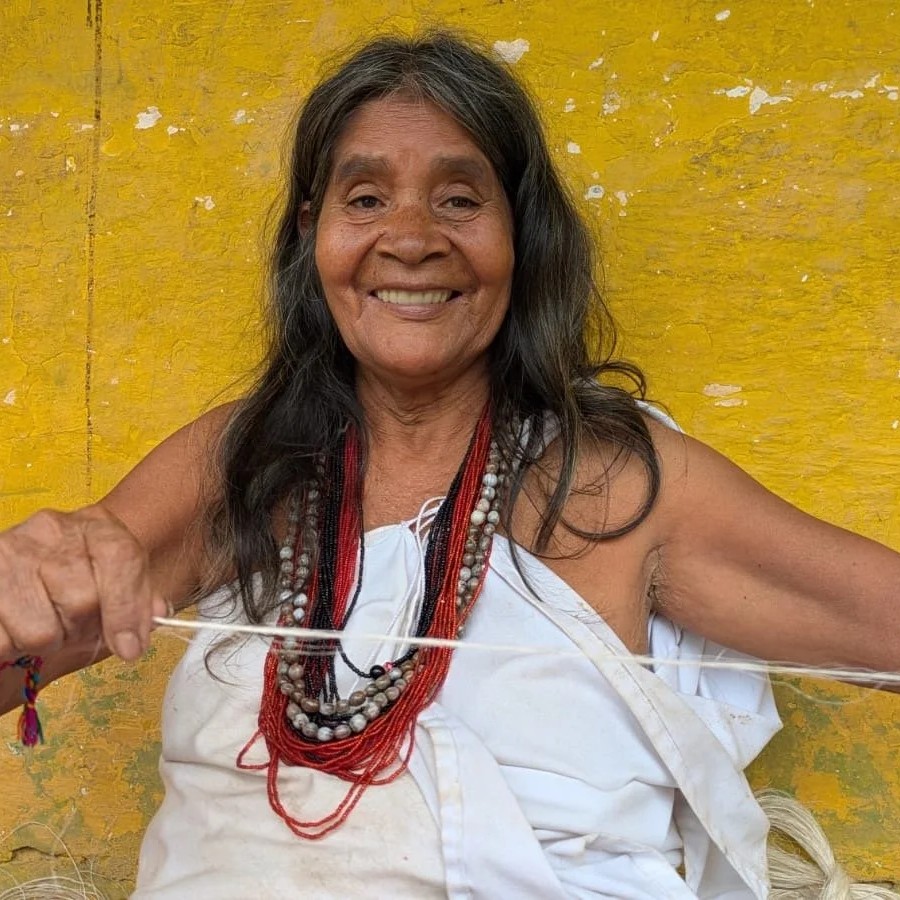
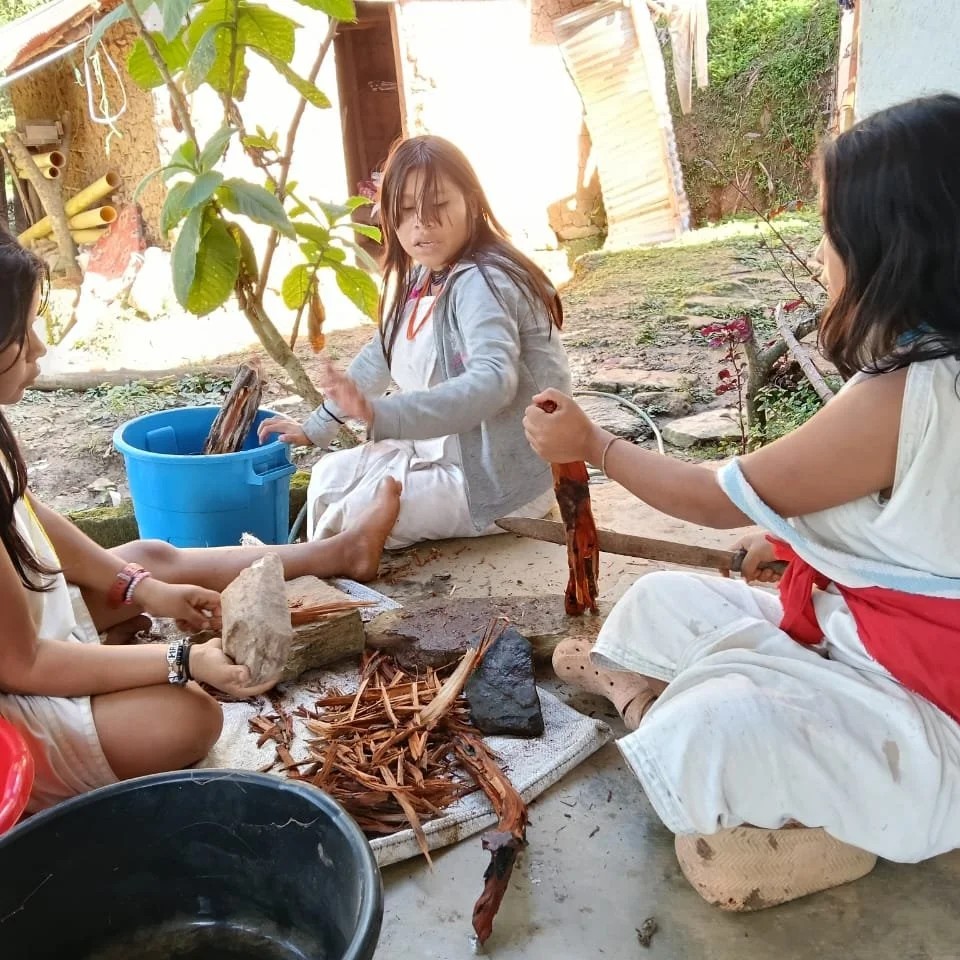
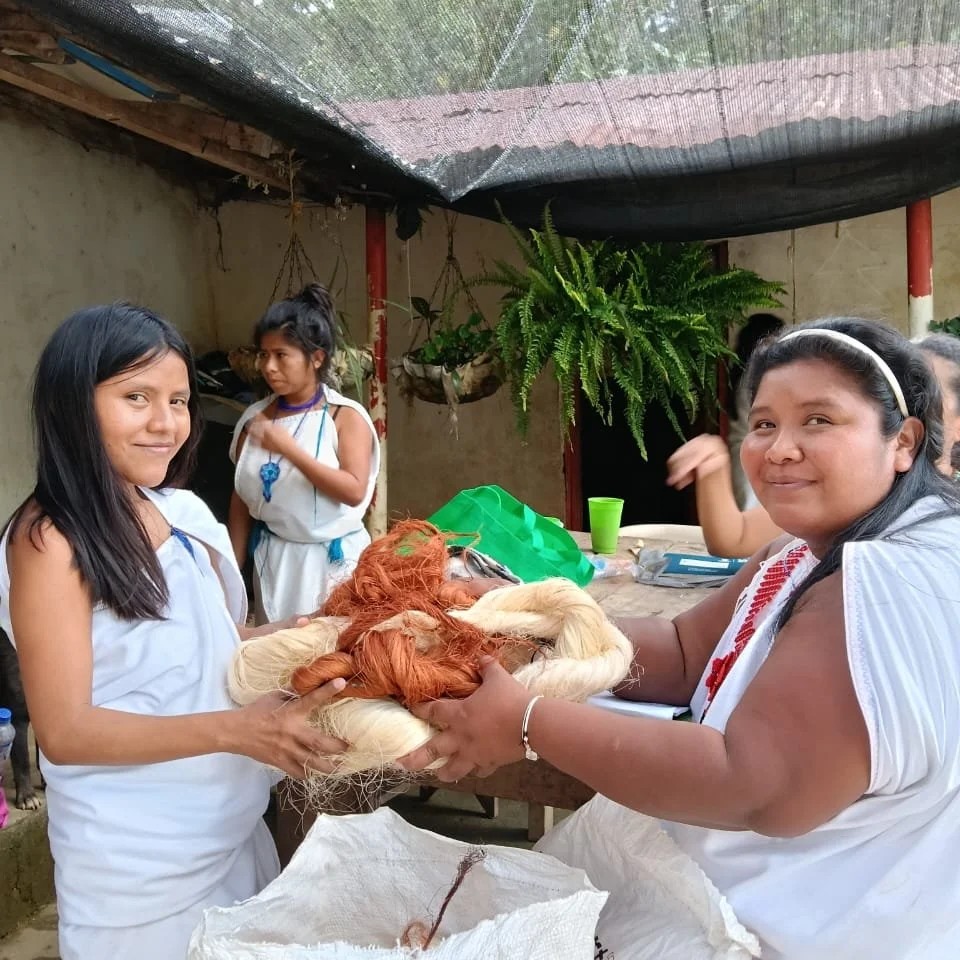
In Wiwa communities of the Sierra Nevada de Santa Marta, women are the guardians of ancestral weaving and natural dyeing practices—living expressions of cultural memory, identity, and relationship to territory. These sacred art forms are not only spiritual and ceremonial; they also contribute meaningfully to family sustenance and community well-being.
Launched in 2025, the Wiwa Women’s Art Micro-Grants Initiative emerged through deep listening and presence. Bridgepath spent over two weeks in community, walking alongside the women, listening closely to their stories, their unique journeys, and their shared dreams, desires, and needs. From these conversations, a collective plan of support was shaped—guided by the women themselves.
As part of this accompaniment, the women identified essential needs to sustain their work and strengthen their economic sovereignty. In response, the initiative supported access to over 150 pounds of maguey fiber, along with storage bins, calendars, and a scale to support traditional dyeing processes and material stewardship. These resources directly strengthen the creation of hand-woven mochilas—living expressions of identity, memory, and territory.
Beyond material support, Bridgepath coordinated a partnership with the Biblioteca y Centro Cultural Sé, creating a new platform for visibility and exchange. Beginning in January 2026, Wiwa women will showcase their work and offer monthly presentations to the community and the general public. This collaboration expands exposure, honors cultural context, and provides a dignified pathway for women to share their artistry beyond the territory—on their own terms.
Together, these efforts support women-led livelihoods, reinforce cultural continuity, and nurture a circular, community-centered economy grounded in reciprocity, autonomy, and respect for ancestral wisdom.
This program is implemented in alliance with the Asociación Indígena Wiwa Ribunduna, a legally registered Wiwa Indigenous organization in the Sierra Nevada de Santa Marta.
Bridgepath Foundation is a 501c3 nonprofit based in the United States with international outreach.
Bridging Mind, Body, Spirit, and Earth